FIRST ORDER SHIPS FREE - No Minimum Purchase Required.

Bell & Gossett Hydronic Pumps
As an authorized distributor of heavy-duty fluid handling systems, we supply the complete lineup of Bell & Gossett pumps and heat exchanger components engineered for high-efficiency commercial operations across North American industrial sectors. Designed to bridge the gap between stringent energy efficiency mandates and rugged field deployment, our inventory focuses on premium hydronic instrumentation. Every centrifugal pump, valve, and booster package adheres to strict ASME guidelines, ensuring immediate operational readiness for enterprise-level quality control pipelines.
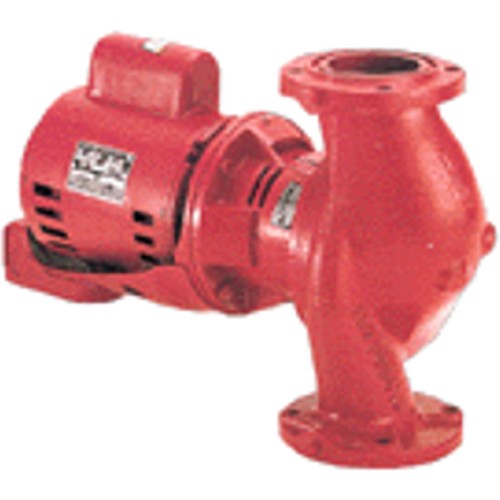
In complex fluid re-circulation loop architectures, executing precise thermal transfer and pressure regulation is non-negotiable for system asset optimization and building climate control. The technical core of our catalog features the industry-leading Bell & Gossett Series 1510 centrifugal pump, globally recognized for its base-mounted end-suction configuration, back-pullout design, and advanced predictive maintenance diagnostics. This field-ready hydronic suite integrates smart fluid-moving technology to stream reliable, high-volume flow analytics directly to corporate asset management databases.
Q: What causes a Bell & Gossett pump to leak?
A: A Bell & Gossett pump typically leaks due to mechanical seal degradation caused by system operation with dirty fluid, excessive dry-running, or natural wear and tear over extended runtime cycles. Addressing these fluid containment issues quickly by deploying a genuine factory seal repair kit prevents unexpected plant downtime, safeguards internal shaft alignments, and maintains complete compliance with commercial industrial facility guidelines.
Q: How do you select a Bell & Gossett pump?
A: You select a Bell & Gossett pump by utilizing their specialized ESP-Systemwize software or mapping manual pump curves based on your system’s exact flow rate requirements in gallons per minute (GPM) and total dynamic head (TDH) in feet. Properly balancing these physical hydraulic parameters ensures optimal motor efficiency, prevents severe cavitation damage, and minimizes energy consumption across enterprise heating, ventilation, and air conditioning networks.
Q: What is the difference between inline and centrifugal pumps?
A: The primary difference between inline and traditional base-mounted centrifugal pumps is their structural piping configuration: inline pumps mount directly into the pipeline to save space, while base-mounted centrifugal models require separate foundation structures to support heavier fluid loads. Inline pumps are optimal for space-constrained commercial HVAC loops, whereas heavy-duty base-mounted pumps are deployed for high-capacity industrial fluid distribution processing.
Showing 1–20 of 288 resultsSorted by latest